P/N 2455038-2: Aircraft Cooling System Part
P/N 2455038-2: Aircraft Cooling System Part
Blog Article
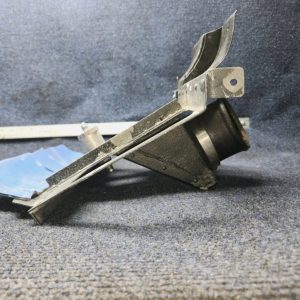
P/N 2455038-2 may support scheduled maintenance, engine-compartment restoration, corrosion repair, accident recovery, or project-aircraft completion.
Whether buyers search for a Cessna 172RG Rear Right-Hand Baffle, Cessna 172RG Engine Baffle, or Cessna 172RG Cooling Baffle, individual condition and aircraft compatibility should guide the purchase.
Whether described as a Cessna Cutlass Engine Baffle, Cessna 172RG Baffle Assembly, Rear RH Engine Baffle, or Aircraft Engine Baffle Assembly, precise configuration verification remains essential.
Whether buyers require a Cessna Engine Cooling Baffle, Aircraft Cooling Air Baffle, or Cessna 172RG Airflow Baffle, surrounding seals and attachment points should also be inspected.
The Cessna Aircraft Engine Baffle, Engine Cooling Baffle Assembly, Cessna Cutlass Cooling System Part, and Cessna 172RG Replacement Baffle terms represent related maintenance and commercial searches.
Reviewing the 2455038-2 Component
Complete part-number verification reduces incorrect purchasing and unnecessary installation work.
The buyer should determine whether the assembly is original, repaired, refurbished, fabricated, removed from an aircraft, or offered as an incomplete section.
Cessna 172RG Engine Temperature Management
The component should not be considered an isolated panel because its effectiveness depends on the condition of the complete baffle arrangement.
Cooling performance depends on proper pressure differences, sealed boundaries, suitable airflow paths, and accurate baffle positioning.
Aircraft Model and Serial Applicability
The offered assembly should be compared with the removed component, mounting points, adjacent baffles, cowling, and technical illustrations.
Mounting holes should not be enlarged or relocated casually to force alignment.
Maintaining Original Baffle Geometry
The exact material, thickness, temper, finish, and construction should be confirmed through applicable technical information when required.
Professional handling protects the value of the Cessna Aircraft Engine Baffle.
Engine Baffle Condition Evaluation
Areas near fasteners and vibration-prone attachment points deserve particular attention.
Previous patches, stop-drilled cracks, replacement brackets, welds, or enlarged holes should be documented.
Cessna Cooling Air Seal Replacement
The offered assembly should identify whether seal material, retainers, rivets, or mounting hardware are included.
Seal overlap, direction, clearance, and edge contact should be checked after installation.
Engine Compartment Contamination Concerns
Surface staining may be minor, while pitting, material loss, exfoliation, or corrosion around holes can require more extensive action.
Oil, fuel, cleaning chemicals, battery residue, exhaust deposits, moisture, and salt exposure can affect engine-compartment sheet metal and protective finishes.
Cessna Engine Baffle Mounting Condition
Loose fasteners in the previous installation may have allowed movement that damaged both the baffle and nearby components.
Forced alignment can preload thin sheet metal and contribute to recurring cracks.
Managing Engine Baffle Parts Inventory
Organized inventory management supports a more efficient Cessna Cutlass maintenance project.
Parts should be labeled and segregated according to condition and inspection status.
Avoiding Unnecessary Component Replacement
Complete troubleshooting helps prevent unnecessary replacement and repeated maintenance.
Maintenance personnel should identify all relevant findings and correct them through appropriate procedures.
Cessna Baffle Repair Considerations
A localized defect may be repairable, while widespread cracking, severe corrosion, or distorted geometry may support replacement.
Professional workmanship can extend component value while preserving cooling-system geometry.
Evaluating a Used Aircraft Cooling Baffle
Components with clear donor-aircraft information, current photographs, and transparent condition descriptions are easier for professional buyers to evaluate.
The listing should state whether the component is new, used, repaired, inspected, untested, serviceable, or offered for parts.
Evaluating P/N 2455038-2
The seller should provide photographs showing both sides, flanges, holes, brackets, contours, edges, markings, corrosion areas, seals, and repairs.
- Resolve identity, compatibility, orientation, and package-completeness questions before payment.
- Arrange qualified evaluation whenever geometry, material loss, repair quality, or installation suitability remains uncertain.
- Inspect and photograph the assembly immediately after delivery before cleaning, stripping, drilling, bending, repairing, painting, or installation.
Preventing Damage During Storage
Padding should prevent direct contact with hard surfaces without trapping damaging moisture.
Heavy objects should never be stacked on the baffle.
Completing a Rear Baffle Replacement
The engine compartment should be inspected before the replacement component is positioned permanently.
Correct workmanship supports a secure and effective cooling-air boundary.
P/N 2455038-2.
Long-Term Rear Baffle Inspection
Long-term maintenance includes periodic inspection of the baffle, seals, fasteners, brackets, adjacent panels, cowling contact areas, protective finishes, and corrosion-prone locations.
Recurring cracks or loose attachments should prompt investigation of vibration, alignment, and supporting Aircraft Engine Baffle Assembly hardware.
Selecting a Cessna 172RG Cooling Component
When professionally inspected, fitted, installed, documented, and maintained, the Cessna 172RG Rear RH Baffle Assembly
Buyers should request current photographs, accurate measurements, transparent condition information, protective shipping, secure transaction terms, and qualified maintenance review.
Whether the project involves Cessna 172RG Engine Compartment Parts, an Aircraft Cooling Air Baffle, a Cessna 172RG Airflow Baffle, or a Cessna Aircraft Engine Baffle, every component should be inspected individually.
With responsible purchasing, part-number research, careful handling, alignment checks, and appropriate workmanship, the assembly can remain a valuable engine-compartment asset.
Report this page